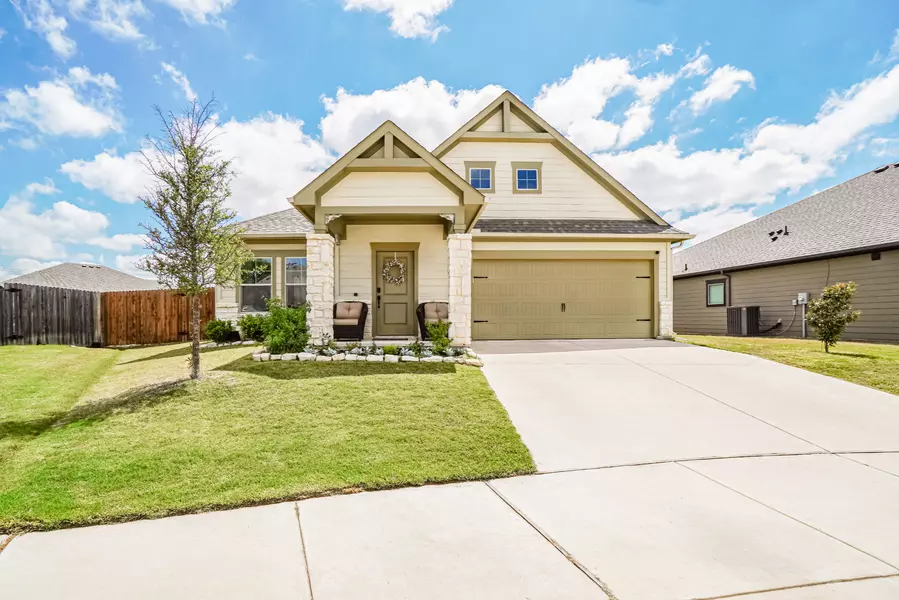
Foundation Care 101: How to Protect Your North Texas Home During Hot DFW Summers

Foundation Care 101: How to Protect Your North Texas Home During Hot DFW Summers
If you've lived in North Texas for any length of time, you already know our summers can be tough on just about everything.
Your air conditioner works overtime. Your grass turns brown. Your plants need extra attention.
And there's one part of your home you probably aren't thinking about while you're trying to survive another 100-degree afternoon:
Your foundation.
North Texas homes are built on a variety of soil types, including expansive clay soils. These soils can shrink when they dry out and swell when they absorb moisture. Those constant changes can put stress on foundations over time. The Texas Department of Licensing and Regulation specifically identifies expansive soils as a common cause of foundation problems and emphasizes maintaining consistent soil moisture and good drainage around the home.
That doesn't mean every crack you see in your house is a foundation emergency.
It does mean that summer is a good time to pay attention to what's happening around your home.
Here are some practical things North Texas homeowners can do to help protect their property.
Why North Texas Summers Can Be Hard on Foundations
Think of clay soil a little like a sponge.
When it absorbs water, it expands.
When it dries out, it contracts.
During a long, hot and dry stretch, that repeated change in soil moisture can create movement around your home's foundation. Texas A&M AgriLife Extension explains that extended dry periods can cause clay soils to shrink, creating gaps between the soil and foundation and cracks in the surrounding landscape.
And here's the important part:
You can't control the Texas weather.
But you can pay attention to how your property responds to it.
1. Keep an Eye on the Soil Around Your Foundation
Take a walk around your house every so often.
Look at the soil immediately around the foundation.
Are there large gaps developing?
Is the ground pulling away from the foundation?
Are you seeing significant cracks in the soil?
Those are things worth paying attention to, especially after a prolonged hot or dry period.
You don't need to panic every time you see a small crack.
North Texas soil moves.
But if you're seeing significant changes or you're concerned about what you're seeing, it's worth having the situation evaluated by an appropriately qualified professional rather than guessing at the cause.
2. Be Consistent With Watering
One of the biggest things homeowners can do is avoid dramatic swings in soil moisture.
That doesn't mean flooding the foundation.
In fact, overwatering isn't the answer.
Texas A&M AgriLife recommends watering landscapes strategically and notes that deep, infrequent watering can encourage deeper root growth. It also recommends checking local watering restrictions and accounting for rainfall before adding supplemental irrigation.
For your home, the goal is consistency.
If your lawn and landscape are drying out significantly during an extended hot spell, make sure your irrigation system is functioning properly and that water is being distributed as intended.
And remember: watering requirements vary by soil, plant material, weather and local restrictions.
Don't assume more water is always better.
3. Check Your Irrigation System
Your sprinkler system can be one of your home's best friends—or a source of problems if it isn't working correctly.
Walk through your irrigation zones and look for:
-
Broken sprinkler heads
-
Sprinklers spraying against the house
-
Areas that aren't receiving enough water
-
Standing water
-
Excessive runoff
-
Leaking irrigation lines
-
Water pooling near the foundation
You want water going where it's supposed to go—not collecting against your home.
Texas regulations for foundations on expansive soils specifically emphasize that water should drain away from the house and that homeowners should understand how drainage changes can affect the property.
4. Pay Attention to Drainage
Here's a simple rule:
Water should move away from your house—not toward it.
Take a look around your property after a heavy rain.
Does water drain away from the foundation?
Does it collect in one particular area?
Do you have a gutter downspout dumping water right beside the house?
Drainage problems aren't necessarily something you can solve with a little weekend landscaping, so if you notice persistent pooling or drainage issues, consider having the situation evaluated.
And don't make major grading changes around your home without understanding how they'll affect drainage.
A seemingly small landscaping project can change where water goes.
5. Don't Forget Your Trees and Landscaping
Trees are beautiful, provide shade and can make a huge difference in your yard.
But large trees and other plants also use water.
Texas A&M AgriLife recommends watering trees based on their actual needs and notes that watering at the tree's canopy edge is more effective than simply watering the trunk.
If you have mature trees near your home, pay attention to them during extended periods of heat and drought.
Again, this doesn't mean removing every tree within 50 feet of your foundation.
It means understanding what's growing around your house and how the landscape interacts with the soil.
6. Don't Ignore Your Gutters
Your gutters have a surprisingly important job.
They're designed to collect water from your roof and direct it away from your house.
If they're clogged, overflowing or dumping water right next to your foundation, they're not doing that job.
Before the next major rain event, make sure:
-
Gutters are clear
-
Downspouts are connected
-
Extensions direct water away from the foundation
-
Water isn't pooling near the house
This is one of those inexpensive maintenance tasks that can help prevent bigger headaches later.
7. Watch for Changes Inside the House, Too
Your yard isn't the only place to look.
As you're walking through your home, pay attention to changes such as:
-
New or worsening cracks in walls
-
Doors that suddenly stick
-
Windows that become difficult to open
-
Gaps around doors or windows
-
Cracks around tile or flooring
-
Noticeable changes in the level of floors
None of these automatically means you have a foundation problem.
Homes settle. Materials expand and contract. Texas weather affects houses in plenty of ways.
But if you notice multiple changes happening at the same time or a noticeable progression, that's when I'd stop ignoring it and have the issue evaluated.
8. Keep Your Foundation Accessible
Here's a surprisingly simple tip:
Don't hide your foundation behind everything in your yard.
If landscaping, mulch or other materials completely cover the area around your foundation, it becomes harder to see what's happening.
Keep an eye on the perimeter of your home so you can spot changes early.
And when you're adding landscaping, think about how plants will grow over time—not just how the flower bed looks the day you install it.
What About Those Cracks?
This is probably the question homeowners ask most often.
“I have a crack. Is my foundation failing?”
Not necessarily.
Small cracks can happen for many reasons, and the location, size, pattern and progression all matter.
That's why I don't recommend diagnosing foundation problems based on a Google search or a social media post.
If you're concerned, have the situation evaluated by an appropriately qualified professional who can determine what you're actually dealing with.
The goal isn't to convince yourself that everything is fine—or convince yourself that everything is terrible.
The goal is to know what you're dealing with.
Why This Matters When You're Selling
Foundation maintenance isn't just about protecting your house while you live there.
It's also part of protecting your investment.
If you're thinking about selling your home in Mansfield, Texas, Arlington, Texas, Burleson, Texas, Kennedale, Texas, Grand Prairie, Texas or another North Texas community, prospective buyers are going to look closely at the condition of the property.
Taking care of maintenance issues before you list can help you avoid surprises during the selling process.
And if you already know there has been foundation work or a previous repair, keep your documentation.
Receipts, engineering reports, warranties and repair records can be valuable when you're preparing to sell.
Good documentation can give buyers—and their inspectors—more information about the history of the home.
A Simple Summer Foundation Checklist
Want to make this easy?
Put this on your summer home-maintenance list:
☐ Walk around the foundation
Look for unusual gaps, significant soil cracks or areas where the ground has changed noticeably.
☐ Check your irrigation
Make sure sprinkler heads are working and you're not creating excessive runoff or watering against the house.
☐ Check your gutters
Clean them and make sure downspouts direct water away from the foundation.
☐ Watch drainage
Look for standing water or areas where water isn't draining away from the house.
☐ Check your landscaping
Pay attention to trees, large plants and anything that's blocking your view of the foundation.
☐ Look inside
Pay attention to new or worsening cracks, sticking doors and windows or other changes.
☐ Document anything concerning
Take photos and note when you first noticed the change.
☐ Get professional advice when needed
If something looks significant or is getting worse, don't guess.
The Bottom Line
North Texas summers are tough on houses.
But a little routine maintenance can go a long way toward helping you understand what's happening around your home.
Keep an eye on your foundation. Keep your drainage working properly. Be thoughtful about watering. And don't ignore changes that seem to be getting worse.
Your home is one of the biggest investments you'll make, and taking care of the things you can't see is just as important as keeping the kitchen and living room looking great.
And if you're preparing to sell, foundation and drainage maintenance are worth putting on your pre-listing checklist, too.
Thinking about selling your North Texas home? Let's talk before you put it on the market. I can help you identify the maintenance and preparation items worth addressing first—and create a plan to get your home ready for buyers.
Source & Attribution
This article was developed as a North Texas homeowner resource using information from Texas A&M AgriLife Extension and the Texas Department of Licensing and Regulation regarding expansive soils, watering, drainage and foundation maintenance. Foundation conditions vary by property and soil type, and this article is intended as general homeowner information—not a diagnosis of any specific foundation condition.
Categories
- All Blogs 488
- Buying A Home 68
- Community Neighborhood Guides 10
- DFW Lifestyle 41
- Eat, Drink, & Shop Local 13
- First Time Home Buyer Tips 163
- Homeownership Tips & Tricks 25
- Living in Arlington, TX 10
- Living in Burleson 11
- Living in Dallas Fort Worth Metroplex 80
- Living In Texas 19
- Mansfield, TX 17
- Midlothian, TX 16
- Mortgage Rates, Financing, and Affordability 41
- New Construction & Developments in DFW 14
- Real Estate Investing 34
- Real Estate News 67
- Rentals, Property Management, & Leasing 13
- Selling Your House 164
- Texas Relocation Guide 44
- Things To Do in DFW 6
Recent Posts










MY BLOGS
- Youth Sports & Recreation in South DFW: Parks, Recreation Centers & Sports Complexes Families Should Know If you have kids involved in sports, you already know how much of your life revolves around practices, games, tournaments, and finding something fun to do on the weekends. And when you're moving
- Why Is Your Zillow Zestimate Wrong in Arlington, TX? Have you ever looked up your house on Zillow and thought, There's no way that's what my home is worth! Or maybe you had the opposite reaction. You saw your Zestimate, got excited about how much equity you might have, and started wondering if now w
- Best Date Nights in Arlington, Mansfield, Midlothian & Burleson, TX Looking for something fun to do for date night without driving all the way into Dallas or Fort Worth? One thing I love about living in South DFW is that we have so many great local restaurants, entertainment venues, and little downt
- Best Alternate Routes to DFW Airport from Mansfield, Arlington & South DFW If you've ever been on your way to DFW Airport and suddenly found yourself sitting in traffic on Highway 360, you know how stressful that can be. You're packed, you've planned ahead, and now you're watching the minutes tick a
MY BLOGS
- Youth Sports & Recreation in South DFW: Parks, Recreation Centers & Sports Complexes Families Should Know
- Why Is Your Zillow Zestimate Wrong in Arlington, TX?
- Best Date Nights in Arlington, Mansfield, Midlothian & Burleson, TX

MY BLOGS
Local News, Events & More Emailed Daily!